Modern Dental Planning for Denture Care: What Patients Should Know
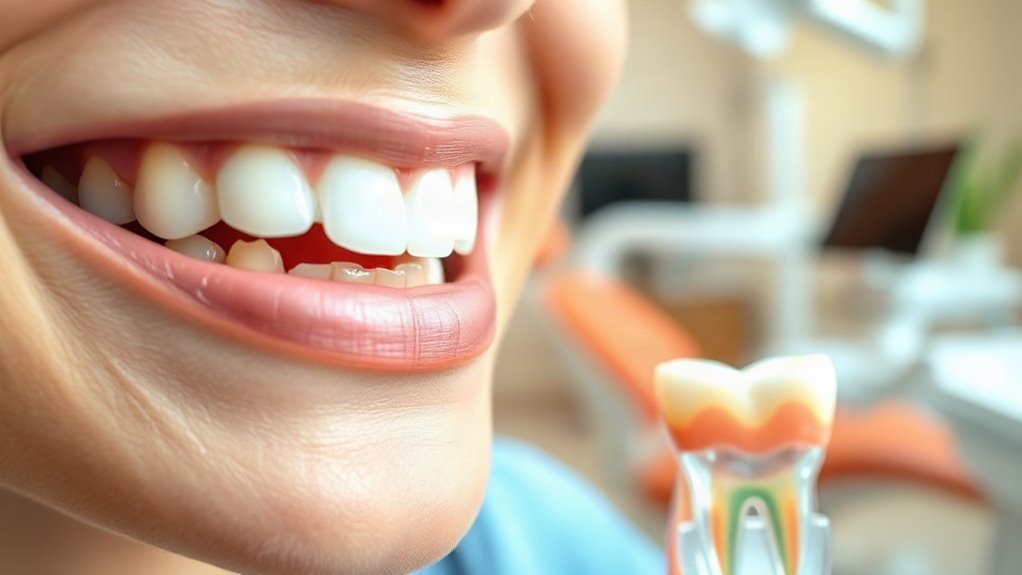
A dental decision can feel much simpler when the problem is explained in plain language. Denture care keeps removable teeth clean, comfortable, and less likely to irritate the gums or collect heavy deposits. This guide looks at modern planning in a way that is easy to use. The aim is to help you prepare for a useful talk with a dentist.
Rajkot patients have many dental options, so it helps to compare care on more than a claim or a price. No two mouths are exactly alike. Age, gum health, bite, past dental work, habits, and health history can all affect the plan. That is why online advice should support a dental visit, not replace one.
Start by thinking about your main concern and how long it has been present. People who look up implant dentist rajkot should still ask what the dentist has found, why a treatment is advised, and how the result will be maintained. Then look for a clinic that can explain what it finds and show you the choices. A patient who understands the plan is in a better position to care for the result.
Brief Overview
- A dental exam helps confirm the cause before treatment is chosen.
- Clear questions about options, timing, comfort, and follow-up make decisions easier.
- Daily cleaning and sensible habits support both natural teeth and dental work.
- Prompt advice is important when pain, swelling, bleeding, or damage is getting worse.
- Denture Care should be considered in the context of the whole mouth, not as an isolated label.
Understanding Denture Care in Simple Terms
Denture care keeps removable teeth clean, comfortable, and less likely to irritate the gums or collect heavy deposits. Small details can change the best next step. The same symptom or goal can have more than one cause. That is why a dental exam matters before any treatment choice is made. Ask for simple words if a term is not clear.
It also helps to separate the problem from the treatment name. A patient may arrive with one idea and learn that another option fits better. The dentist should explain what is healthy, what needs care, and what can be watched. A second opinion can be reasonable when a plan is complex or hard to understand. A simple explanation makes it easier to take part in the decision.
The Role of Images, Scans, and Digital Planning
Photos can help patients see cracks, wear, gum changes, or old dental work. A dentist should be able to explain what a scan or image adds to the plan. The important point is not the tool itself. The tool should answer a clinical question and help the dentist plan care. You can ask what new information a scan or image provides.
A dentist can review the fit, bite, denture surface, supporting gums, and the condition of any natural teeth. Digital records may also make it easier to compare changes over time. Even so, technology does not replace a careful exam or a clear talk with the patient. The final plan still needs to fit health, comfort, goals, and maintenance. Good technology is most useful when it makes the decision easier to understand.
From Symptoms to a Dental Diagnosis
A dentist can review the fit, bite, denture surface, supporting gums, and the condition of any natural teeth. The goal is to find the cause, not just name the symptom. The dentist may compare several teeth or areas because pain can sometimes feel as if it comes from somewhere else. Your bite, gums, old dental work, and cleaning habits may also matter. The best plan is one that fits the mouth in front of the dentist.
Tests should have a clear reason. Three-dimensional imaging may be useful for selected implant or surgical plans. Results are more useful when they are explained beside the exam findings. Ask the dentist to show you what they can see when that is practical. This makes the treatment plan easier to understand and compare. Some patients use best dental clinic rajkot while looking at Rajkot options, then compare the team, the explanation of care, and the steps in the plan.
Building a Dental Plan You Can Understand
Start with the diagnosis and ask what evidence supports it. Next, ask which treatment is needed now and which part is optional. Do not choose a treatment from one detail alone. Then compare how each choice affects healthy tooth structure, comfort, cleaning, and future care. This turns a large decision into a few clear questions.
Cost matters, but it is only one part of the choice. Ask what the quoted fee includes and whether later visits or final restorations are separate. Check how many appointments may be needed. If the plan is complex, ask for it in stages. If you feel anxious, say so at the start of the appointment.
Frequently Asked Questions
Why does Denture Care matter for oral health?
Denture care keeps removable teeth clean, comfortable, and less likely to irritate the gums or collect heavy deposits. The effect can be small or more involved depending on the cause and how long it has been present. A dental exam helps show what needs care now and what can be watched. That is more useful than guessing from one symptom.
When should I book a dental visit about Denture Care?
Sore areas, looseness, cracks, bad odor, staining, or trouble chewing are reasons to have a denture checked. You should seek faster advice if swelling, severe pain, heavy bleeding, fever, or trouble swallowing develops. If the change is mild but keeps returning, it still deserves a planned visit.
What can I expect at a consultation for Denture Care?
A dentist can review the fit, bite, denture surface, supporting gums, and the condition of any natural teeth. The dentist may also ask about past treatment, medicines, habits, and your goals. Tests or images should be used when they add useful information. You can ask the dentist to explain each finding in simple words.
How are options for Denture Care compared?
Care may include cleaning advice, adjustment, repair, relining, or replacement when an old denture no longer fits well. The right plan can differ from one person to another. Ask about benefits, limits, timing, maintenance, and any reasonable alternative. A clear plan should match the diagnosis rather than a popular treatment name.
How can I look after my mouth while managing Denture Care?
Clean dentures daily, handle them over a safe surface, keep the mouth clean, and follow instructions about overnight removal. Use home care to support professional advice, not to replace needed treatment. If symptoms get worse or a new problem appears, contact a dental professional. Steady habits are usually easier to maintain than sudden short-term changes.
Summarizing
Good dental decisions are built on a careful exam, simple explanations, and realistic follow-up. For denture care, start with a proper assessment and ask what the dentist has found. Compare choices by health, comfort, upkeep, time, and cost rather than one implant dentist rajkot feature alone. Make sure you know what happens next.
Clean dentures daily, handle them over a safe surface, keep the mouth clean, and follow instructions about overnight removal. A calm, informed approach can help you make choices that fit your health, schedule, and goals. If you are unsure, ask for the plan in simpler terms before you agree to treatment. A clear plan and steady home care can make long-term dental care easier to manage.